
Denso P: remapping, engine optimization, EGR/DPF off
Denso P remapping: OBD/bench/boot, torque/injection/turbo maps. Workshop or remote file service according to your needs. Request your personalized quote.
The Denso P engine ECU is common on many Asian vehicles and is well-suited for software optimization when approached with the right protocols. Depending on the versions, access can be via OBD for identification and sometimes writing, but the most reliable approach is often bench or boot-mode to read/write the memory completely and securely. Key maps — torque, injection, ignition timing, boost pressure, and lambda management — can be adjusted while respecting the original safety measures. Professional tools commonly used on this family include KESS, Alientech KESSv3, CMD, MPPS, or PCMflash, depending on the available protocol. Incarline can perform the remapping of the Denso P in the workshop or provide a modified file remotely based on your complete read.
Find your exact reference
Search by hardware reference, software reference or control unit name. Click a result to configure and order without leaving the page.
Technical Sheet of This Family
The Denso P family corresponds to engine ECMs managing both gasoline engines and, depending on applications, diesel variants. The architecture generally relies on a 32-bit microcontroller with internal flash memory for calibrations and an external non-volatile memory (serial EEPROM type) for certain identification and immobilization data. The most widespread generations are found on vehicles from the 2000s and 2010s, with evolving diagnostic and security protocols over time.
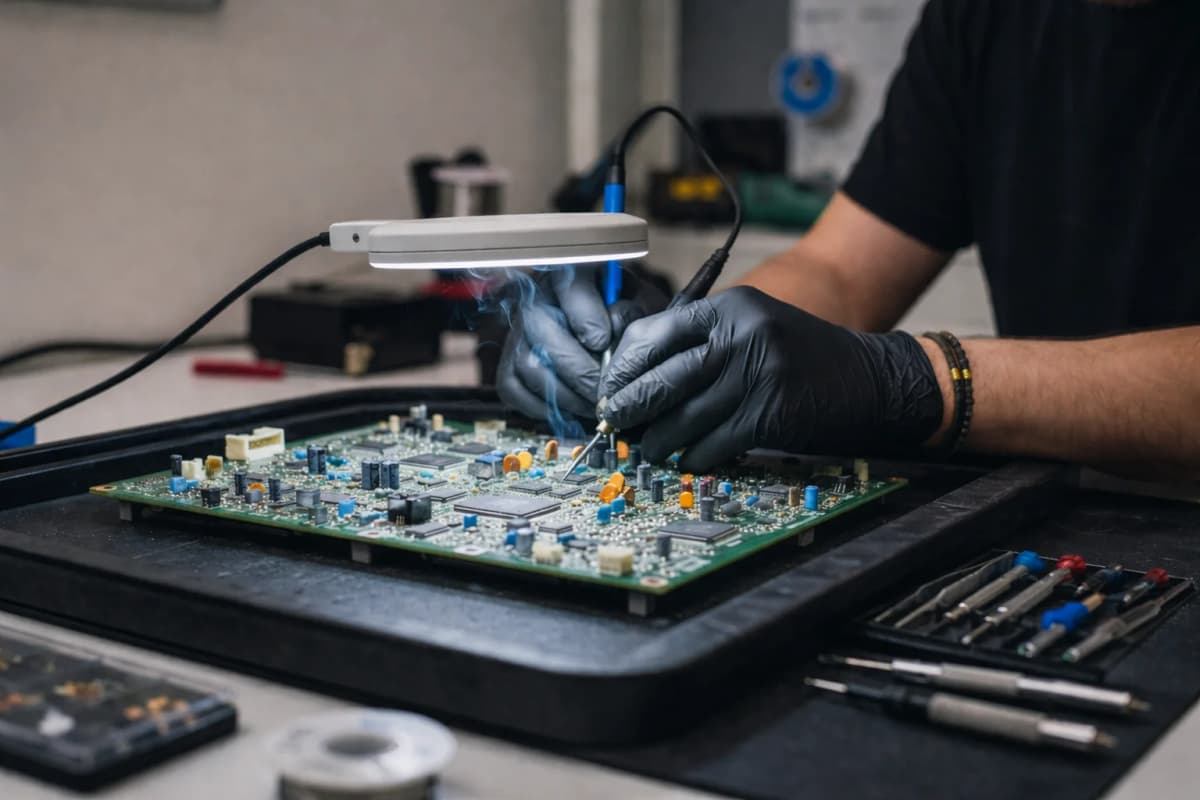
Regarding access, the Denso P frequently allows identification via OBD (ID read, CVN/calibration), while full flash reading is more often obtained in bench or boot-mode. Boot-mode involves forcing the ECU to start in a service state via a dedicated pin, allowing low-level memory access. Bench is performed out of the vehicle, by direct connection to the PCB's power and communication pins. BDM is generally not the preferred route on this family, with many variants favoring serial/boot modes specific to the microcontrollers used.
For the remapping of the Denso P, professional tools frequently encountered include Alientech KESS/KESSv3, CMD, MPPS, and PCMflash, to be selected according to the supported protocol (OBD, bench, boot). In OBD, writing may be limited to certain calibration areas on some references, whereas bench/boot allows full backup and restoration (complete flash read and, if necessary, EEPROM). This approach is preferred to reduce the risk of bricking and ensure checksum and security area consistency.
Maps typically modified on Denso P include: requested torque tables, gear/gear torque limiters, thermal constraints, richness/lambda management, injection maps (duration, flow, temperature/pressure correction), ignition timing on gasoline, boost pressure and associated sensors on turbo, as well as pollution control system management strategies (EGR, DPF/FAP, and related systems depending on the engine). These calibrations are often structured in 2D/3D tables indexed by RPM, load, or pressure, with dependencies between limiters and monitoring. On many Denso variants, consistency between limiters and torque requests is essential to avoid entering limp mode.
Technical limits to anticipate on a Denso P concern internal checksum management, unlocking algorithms (seed-key) according to protocol, and calibration verification (CVN) on certain vehicles. An inappropriate limiter adjustment or inconsistency between sensors (air/pressure/exhaust) can trigger generic faults, power loss, or limp mode. Before any writing, it is recommended to perform a complete backup, stabilize the power supply on the bench, and validate the modified file by a checksum check. In case of function deactivation like EGR, DPF/FAP, or AdBlue (when applicable), associated diagnostics must be precisely managed to avoid warning lights and fallback strategies.
Regarding the application period, the Denso P is present on many platforms released during the 2000s and 2010s, with evolving protections and protocols from one generation to another. Stage 1 and Stage 2 remappings focus on optimizing main maps while respecting mechanical margins, whereas requests for EGR/DPF/AdBlue removal require meticulous handling of diagnostics and internal monitoring of the Denso P.
Vehicles Concerned
Denso ECMs from the Denso P family are found on many Asian models, gasoline or diesel depending on versions. The list below is indicative and may vary according to markets and generations.
- Toyota Corolla 1.6 VVT-i (depending on generations and markets)
- Toyota Hilux 3.0 D-4D (depending on diesel versions equipped with Denso)
- Subaru Impreza 2.0i (certain gasoline generations)
- Mazda 3 2.0 gasoline (series using a Denso ECM)
- Suzuki Swift 1.3/1.5 gasoline (versions with Denso management)
- Daihatsu Terios 1.5 (applications equipped with a Denso ECM)
Depending on the engines and production year, access to the Denso P can be via OBD, bench, or boot-mode, with variable limitations. A preliminary identification by ID read helps confirm the presence of a Denso P and the appropriate protocol.
Points of Attention
Before any intervention on a Denso P, secure the power supply (stabilized power supply), perform a complete backup (flash/EEPROM when possible), and verify the compatibility of the chosen tool/protocol. An interrupted write or incorrect checksum calculation can brick the ECU. Modifications of torque and turbo pressure limiters must remain consistent with sensors and monitoring, otherwise, the vehicle may enter limp mode with warning lights and non-specific fault codes. Deactivation of pollution control systems (EGR, DPF/FAP, AdBlue) requires precise adjustment of associated diagnostics to avoid readiness inconsistencies or dashboard alerts and should only be considered within an appropriate legal framework.
The Denso P family presents seed-key and calibration structure particularities that require a rigorous methodology. An instrumented road test, real-time parameter reading, and temperature/pressure monitoring are recommended after any remapping. Incarline can handle your Denso P in the workshop or, if you have a reliable complete read, provide a calibrated file remotely.
Frequently asked questions
How do I know if my Denso P ECU is accessible via OBD for remapping?
Which maps are generally modifiable on a Denso P in stage 1?
Can EGR, DPF/FAP, or AdBlue be disabled on a Denso P without warning lights?
What professional tools are usually used for a Denso P (OBD/bench/boot)?
What happens if a Denso P is bricked during writing?
Is cloning possible on an already remapped Denso P?
Does the Denso P react differently on gasoline or diesel during optimization?
How to verify the integrity of a modified file for Denso P before writing?
Your reference isn’t listed?
Contact us — we can source your control unit or handle your repair on a quote basis.
Contact us